
Does Medicare Cover Medical Alert Systems?
The short answer is no, Original Medicare does not pay for medical alert systems. But there are other programs that might. Here is a clear breakdown of every possible funding source.
Last updated: April 2026 · By the AgeInPlaceGuide team
We may earn a commission if you buy through links on this page, at no extra cost to you. It never changes what we recommend. This is general information, not medical advice.
Bay Alarm Medical pricing checked October 2026 at the vendor's own site. Vendor pricing and plan names change, so confirm before you buy.
Original Medicare: No Coverage
Medicare Part A (hospital) and Part B (outpatient) do not cover medical alert systems. Medicare classifies them as “personal convenience items”, the same category as grab bars and shower chairs. A doctor's prescription does not change this.
Who Pays for What
| Program | Covers Medical Alerts? | Notes |
|---|---|---|
| Medicare Part A & B | No | Classified as personal convenience item |
| Medicare Advantage (Part C) | Some plans | $500-$3,000/yr home safety benefit on eligible plans |
| Medigap (Supplement) | No | Only covers gaps in Original Medicare, not new benefits |
| Medicaid (state) | Many states | Through HCBS waivers, must be nursing-home eligible |
| VA Benefits | Yes | For enrolled veterans, through HBPC or Vet-Directed Care |
| HSA / FSA | Unlikely | Not a standard qualified expense, needs doctor letter + plan approval |
| Tax deduction | Maybe | Deductible if doctor-prescribed and total medical > 7.5% AGI |
Medicare Advantage, Your Best Bet
Since 2019, Medicare Advantage plans have been allowed to offer supplemental benefits including home safety devices. Many plans now include a yearly allowance for medical alert systems.
Plans known to offer PERS benefits: Humana, UnitedHealthcare, Aetna, and Anthem BlueCross BlueShield all have Medicare Advantage plans that include medical alert system benefits in certain markets. Coverage varies by zip code and plan year.
Medicaid HCBS Waivers, State by State
Many state Medicaid programs cover medical alert systems through Home and Community-Based Services (HCBS) waivers. These waivers help people who qualify for nursing home care stay at home instead.
How to Check Your State
- Call your state Medicaid office (find the number at medicaid.gov)
- Ask: “Does your HCBS waiver program cover Personal Emergency Response Systems?”
- If yes, ask about the income and medical eligibility requirements
- Request an application or assessment appointment
States with known PERS coverage: New York, California, Texas, Florida, Pennsylvania, Ohio, Illinois, Michigan, and many others cover PERS under their HCBS waivers. But waiver names and eligibility rules differ in every state, there is no shortcut around calling your state office.
VA Benefits for Veterans
Veterans enrolled in VA healthcare have several paths to getting a medical alert system covered.
Home-Based Primary Care
The VA HBPC program provides in-home care for veterans with complex chronic conditions. PERS devices are included as part of the care plan. Ask your VA primary care provider for a referral.
Veteran-Directed Care
This program gives veterans a budget to purchase their own care services, including medical alert systems. You choose the system and the VA provides the funding. Contact your local VA Caregiver Support Line: 1-855-260-3274.
If No Program Covers You, How to Pay Less
Skip Life Alert, save $300/year
Life Alert costs $49.95/month. Medical Guardian does not publish a monthly price. Bay Alarm Medical starts at $27.95/month, which is about $264 a year less than Life Alert.
Ask about nonprofit assistance
Organizations like the Area Agency on Aging, local Lions Clubs, and some churches provide medical alert systems to low-income seniors at no cost. Call the Eldercare Locator at 1-800-677-1116 to find local programs.
Use the tax deduction if eligible
If a doctor prescribes the system as medically necessary, the monthly cost may be tax-deductible. This only helps if your total medical expenses exceed 7.5% of your adjusted gross income. Talk to your tax preparer.
Common Questions
Does Original Medicare (Part A and Part B) cover medical alert systems?+
No. Original Medicare classifies medical alert systems as personal convenience items, not durable medical equipment (DME). No amount of doctor's orders or medical necessity letters changes this. Medicare Part A covers hospital stays and Part B covers outpatient care, neither includes personal emergency response systems (PERS).
Does Medicare Part C (Medicare Advantage) cover medical alert systems?+
Some plans do. Medicare Advantage plans are offered by private insurance companies and can include supplemental benefits beyond Original Medicare. Many plans now include a home safety or assistive devices benefit that covers $500-$3,000 per year toward medical alert systems, grab bars, ramps, and other safety equipment. Call your plan and ask specifically about Personal Emergency Response System (PERS) coverage.
Does Medicaid cover medical alert systems?+
It depends on your state. Many state Medicaid programs cover medical alert systems through Home and Community-Based Services (HCBS) waivers. These waivers are designed to help people stay at home instead of moving to a nursing facility. Eligibility varies by state, you typically need to be medically eligible for nursing home care but choosing to stay home.
Can I use my HSA or FSA to pay for a medical alert system?+
Generally no. The IRS does not classify medical alert systems as a qualified medical expense for HSA or FSA purposes. Some people have successfully argued for HSA/FSA coverage with a letter of medical necessity from their doctor, but this is not standard. Check with your HSA/FSA plan administrator before assuming it will be approved.
Does the VA cover medical alert systems?+
Yes, for eligible veterans. Veterans enrolled in VA healthcare can request a Health Buddy or other monitoring device through their VA medical center. The VA Home-Based Primary Care (HBPC) program and the Veteran-Directed Care program both include personal emergency response systems. Contact your VA medical center's social work department to ask about eligibility.
Are medical alert systems tax-deductible?+
Possibly. If your doctor prescribes a medical alert system as medically necessary, the monthly cost may qualify as a medical expense on your taxes. Medical expenses are deductible only to the extent they exceed 7.5% of your adjusted gross income. Keep the doctor's letter and all receipts. Consult a tax professional.
The Bottom Line
Original Medicare does not cover medical alert systems. Your best options are: Medicare Advantage plans with a home safety benefit, Medicaid HCBS waivers (if income-eligible), or VA benefits (if a veteran). Check each one before paying out of pocket.
If none of those apply, choose a system that costs less than Life Alert. Medical Guardian and Bay Alarm Medical both provide better service at half the monthly price.

What you can buy today
Medicare does not pay for these. If you are buying privately, these three are available outright.
We may earn a commission if you buy through links on this page, at no extra cost to you. It never changes what we recommend. This is general information, not medical advice.

Medical Guardian MGMove Smartwatch
24/7 monitoring centre, needs a plan
Reaches a monitoring centre that can send an ambulance. The watch is bought once, the plan is monthly.
Check price on Amazon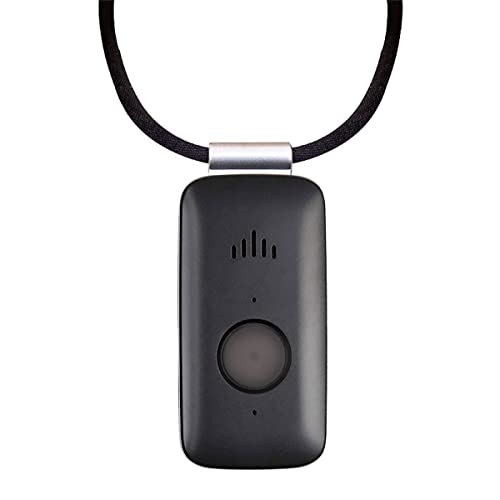
Mini Guardian 4G Medical Alert
4G, worn on the body, needs a plan
A small button worn on the body. Presses through to a monitoring centre.
Check price on Amazon
Medical Guardian MGHome Cellular
In-home base unit, needs a plan
An in-home unit for someone who does not go out much. No landline needed.
Check price on Amazon
These are supplies, not the job itself. Amazon does not sell the labour, the permit or the inspection.