
Getting Mom to Wear a Medical Alert, What Actually Works
April 16, 2026 · 6 min read
You did the research. You picked a system. You set it up. And now it sits in a drawer because your mother says she does not need it.
This is the most common frustration in caregiver forums. Not which system to buy, but how to get a stubborn parent to actually wear it. We read hundreds of posts on Reddit, AgingCare, and caregiver Facebook groups. Here is what families who solved this problem actually did.
Why They Refuse
Before you try to convince your parent, understand what is behind the "no." It is almost never about the device.
"I am not that old."
A pendant screams "I need help." It is a visible symbol of decline. For someone fighting to stay independent, wearing one feels like giving up.
"I will never fall."
Denial is powerful. Most seniors who have fallen still say it will not happen again. Pointing out statistics does not change this. Facts do not beat feelings.
"I do not want to bother anyone."
Many seniors grew up not asking for help. The idea of pressing a button and summoning strangers feels like an imposition, not a safety measure.
"It is ugly."
This one is fixable. Medical alert devices have gotten smaller and more stylish. Smartwatch-style devices look like normal watches. But the classic Life Alert pendant still looks like hospital equipment.
What Actually Works, According to Caregiver Forums
Resistance often runs differently with fathers than with mothers, and the scripts that work are not the same ones.When dad will not ask for help is about that conversation rather than the product.
1. Make it about YOU, not them
The approach that works most often is flipping the conversation. Do not say "You need this." Say "I need this."
"Mom, I worry about you when I am at work. If I knew you had this, I could focus and not check my phone every hour. Will you wear it for me?"
This works because it does not challenge their independence. It frames the device as something that helps their child, not something that labels them as fragile. Multiple caregivers on Reddit report this as the turning point.
2. Choose a device that does not look medical
Pendants are the hardest sell. Wristbands are better. Smartwatches are best. An Apple Watch with fall detection looks like a normal watch. Medical Guardian has a smartwatch-style option. Nobody at the grocery store will know it is a medical device.
If your parent is vain about their appearance (many are), device style matters more than features. The most advanced system in a drawer is worse than a basic system on the wrist.
3. Let the doctor say it
Adult children lose credibility on this topic. You are the kid, what do you know? But the doctor is an authority figure.
Call your parent's doctor before the next appointment. Ask them to bring up fall prevention and recommend a medical alert as part of the safety plan. When the doctor says "I recommend this for all my patients your age," the conversation changes.
4. Use a close call as the opening
After a near-miss, a stumble, a bruise, a moment where things could have been worse, there is a brief window where a parent is more open to safety measures. Do not wait for this moment to pass.
Do not say "See, this is why you need it." Say "I am so glad you are okay. Would you try wearing this for a week, just so I feel better?"
5. Start with a trial period
"Wear it for one month. If you hate it, we return it."
Bay Alarm Medical has a 15-day risk-free trial. Frame it as a trial, not a commitment. Most parents who wear a device for two weeks stop noticing it and forget they were resistant.
6. Get siblings involved
If one child brings it up, it is nagging. If three children agree, it becomes a family decision. Coordinate with siblings so the message comes from everyone, not just "the worrier."
What Does Not Work
- XStatistics and scare tactics. "One in four people over 65 fall." Your parent does not think they are the one in four. Data does not change beliefs.
- XUltimatums."If you do not wear it, I am putting you in a home." This creates resentment, not compliance. Even if it works short-term, the device comes off when you leave.
- XBuying it without asking. Surprising someone with a medical device sends the message "I think you are incapable." Involve them in the decision. Let them choose the color or style.
The Device That Gets Worn the Most
Based on everything we read from real caregivers, the devices that get worn consistently share three traits:
- They look normal. Watches and bracelets beat pendants every time.
- They do not need daily charging. Three to five day battery life means one less thing to remember.
- The parent chose it. Involvement in the decision creates ownership. Ownership creates compliance.
The best medical alert system is the one that stays on the wrist. If you are still choosing, see our fall detection device guide or our medical alert system comparison.

What you can buy today
A device that looks like a watch gets worn more often than a pendant. These three cover both shapes.
We may earn a commission if you buy through links on this page, at no extra cost to you. It never changes what we recommend. This is general information, not medical advice.

Medical Guardian MGMove Smartwatch
24/7 monitoring centre, needs a plan
Reaches a monitoring centre that can send an ambulance. The watch is bought once, the plan is monthly.
Check price on Amazon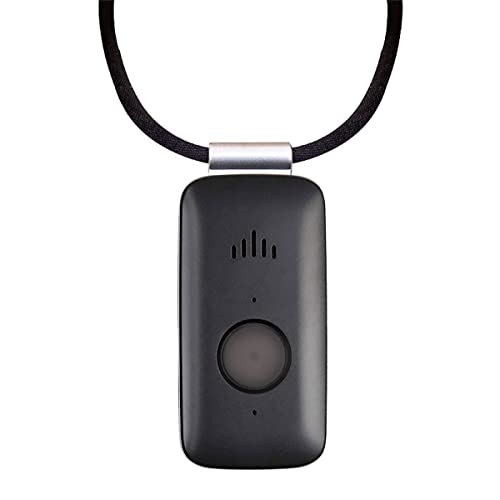
Mini Guardian 4G Medical Alert
4G, worn on the body, needs a plan
A small button worn on the body. Presses through to a monitoring centre.
Check price on Amazon
Medical Guardian MGHome Cellular
In-home base unit, needs a plan
An in-home unit for someone who does not go out much. No landline needed.
Check price on Amazon
These are supplies, not the job itself. Amazon does not sell the labour, the permit or the inspection.